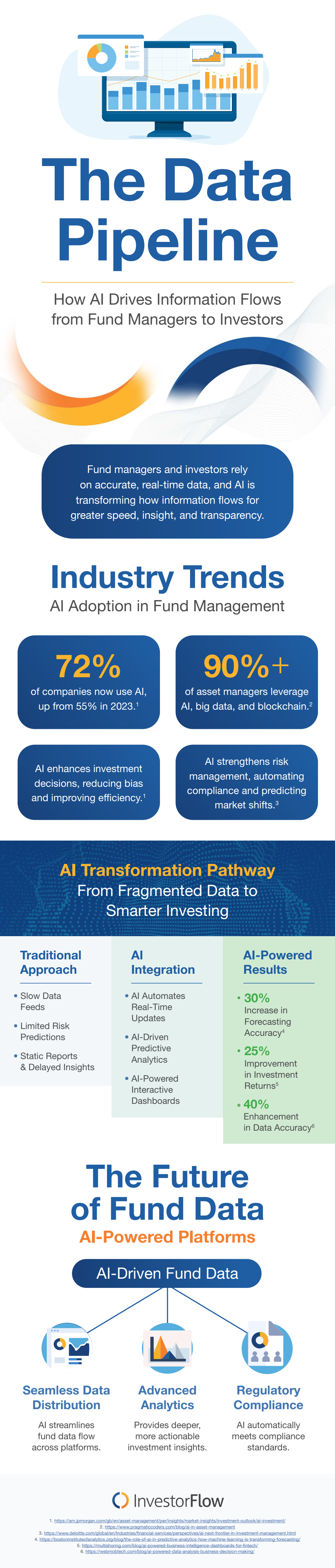

The relationship between fund managers and investors depends on the timely exchange of accurate, actionable information. Traditional methods of communicating fund performance, strategy changes, and market outlooks can no longer meet the speed and scale required in today’s financial environment. The use of AI in investment management is changing that dynamic by streamlining data flows and creating new ways to personalize and optimize investor communications.
5 Powerful Uses of AI in Investment Management
There are 5 powerful ways that the use of AI in investment managment is changing the game…
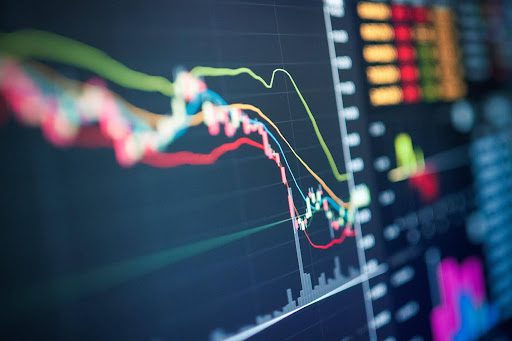
AI Enhances Transparency and Timeliness
AI in investment management is reshaping how fund managers collect, interpret, and present data to investors. Rather than relying on quarterly updates or static reports, managers can now deliver near real-time insights powered by machine learning algorithms. These systems are capable of continuously analyzing portfolio performance, tracking market trends, and updating investors with precise summaries without manual input. This creates a more dynamic and transparent relationship, where investors are informed faster and with greater accuracy.
Automated Reporting Improves Accuracy
One of the most significant advantages of artificial intelligence is the ability to eliminate human error in reporting. AI tools can extract relevant data from internal systems, market feeds, and compliance platforms, then organize that information into investor-ready formats. Natural language generation can create personalized summaries for different audiences, from institutional stakeholders to individual clients. These tools allow fund managers to maintain consistency in communications while scaling outreach to large investor bases.
Personalization at Scale
Investors vary in their risk tolerance, investment goals, and communication preferences. AI helps managers address this diversity by segmenting audiences and delivering information relevant to each group. A retail investor may receive simplified performance breakdowns, while a large institutional client might receive a detailed technical report. This kind of targeted engagement improves investor satisfaction and builds trust. AI also supports sentiment analysis, allowing managers to gauge investor reaction and fine-tune future messaging accordingly.
Predictive Analytics Strengthen Decision Support
Investors vary in their risk tolerance, investment goals, and communication preferences. AI helps managers address this diversity by segmenting audiences and delivering information relevant to each group. A retail investor may receive simplified performance breakdowns, while a large institutional client might receive a detailed technical report. This kind of targeted engagement improves investor satisfaction and builds trust. AI also supports sentiment analysis, allowing managers to gauge investor reaction, track behavioral trends over time, and fine-tune future messaging accordingly to improve transparency, client retention, and long-term relationship value.
Secure Data Management and Compliance
Using AI in communication does not compromise security. Advanced systems follow regulatory requirements and maintain strict access controls. Many solutions are integrated with hedge fund management software, allowing seamless compliance with data-sharing rules while automating many back-office functions. This reduces administrative burden and ensures that all communications meet industry standards.
Artificial intelligence is quickly becoming a central tool in investment communications. It empowers fund managers to be faster, clearer, and more strategic in how they connect with investors. As expectations grow for personalized and data-rich updates, firms that embrace AI in investment management will be better positioned to build lasting relationships and deliver consistent value. For more information, look over the accompanying infographic below.