


Post-sales interactions are often treated as maintenance work, yet they play a central role in shaping lifetime value for tech startups. After the contract is signed, every touchpoint affects whether customers expand usage, stay loyal, or quietly leave. Support quality, communication habits, and follow-through all influence revenue over time in ways that early growth teams sometimes overlook.
Retention Starts After the Sale
Customer lifetime value grows through retention first, not acquisition. Post-sales teams set expectations during onboarding and reinforce them through consistent support. Clear documentation, predictable response times, and honest updates reduce friction. When customers feel supported, they are less likely to churn and more open to renewals or upgrades.
Support Experiences Shape Perceived Value
Support interactions often become the most frequent contact customers have with a startup. Fast, accurate resolutions signal reliability, while repeated handoffs or vague answers erode trust. Over time, these experiences shape how customers judge product value beyond features alone, affecting their willingness to continue paying.
Feedback Loops Drive Expansion Opportunities
Post-sales conversations surface insights that sales or product teams may never see. Requests, complaints, and usage patterns reveal where customers gain value or struggle. Acting on this feedback can lead to feature improvements, pricing adjustments, or add-on services that increase account value without aggressive selling.
Consistency Builds Long-Term Trust
Trust compounds over repeated interactions. Consistent messaging across support, account management, and billing reduces confusion and prevents frustration. Even operational details like invoices or dynamic billing solutions affect confidence. When systems and people behave predictably, customers view the startup as a stable partner worth staying with.
Data From Post-Sales Guides Strategy
Modern post-sales teams generate data that directly links actions to revenue outcomes. Renewal rates, ticket volume, and response times help forecast lifetime value more accurately. Startups that analyze this data can prioritize investments that strengthen retention instead of relying solely on new customer growth.
Onboarding Sets the Tone
Effective onboarding reduces early confusion and shortens time to value. Clear milestones, training sessions, and accessible resources help users adopt the product with confidence. When onboarding feels organized and responsive, customers form positive habits that carry into later stages of the relationship, increasing the likelihood of long-term retention. These first interactions also clarify roles and communication channels. A smooth start lowers support volume later and protects revenue that might otherwise disappear during the first renewal cycle.
Internal Alignment Matters
Post-sales impact depends on coordination across teams. Sales promises, product roadmaps, and support policies must align to avoid mixed messages. Regular internal reviews of customer issues help teams correct gaps early. Alignment reduces rework, improves customer confidence, and ensures that lifetime value reflects real satisfaction. This coordination also speeds decision-making during critical moments.
Lifetime value is shaped long after the sale closes. Every post-sales interaction sends a signal about reliability, respect, and commitment. Small operational choices accumulate, making post-sales discipline a measurable driver of long-term business health for teams focused on sustainable performance over time consistently. For more information, feel free to look over the accompanying resource below.

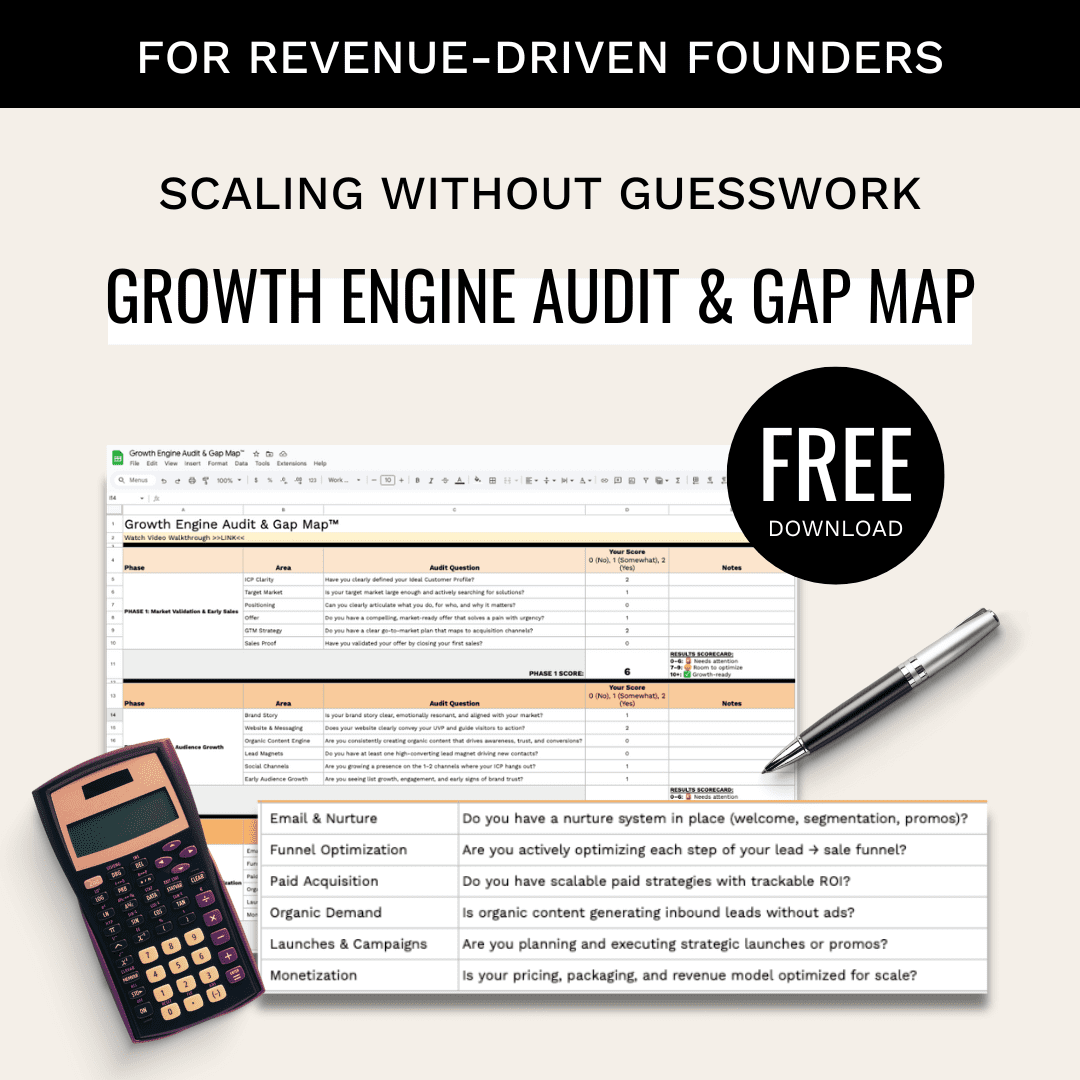
Want a clean, repeatable system for measuring B2B growth? Get the free Growth Metrics OS — a 6-day email course for technical founders and operators who want to measure growth and make better decisions.